
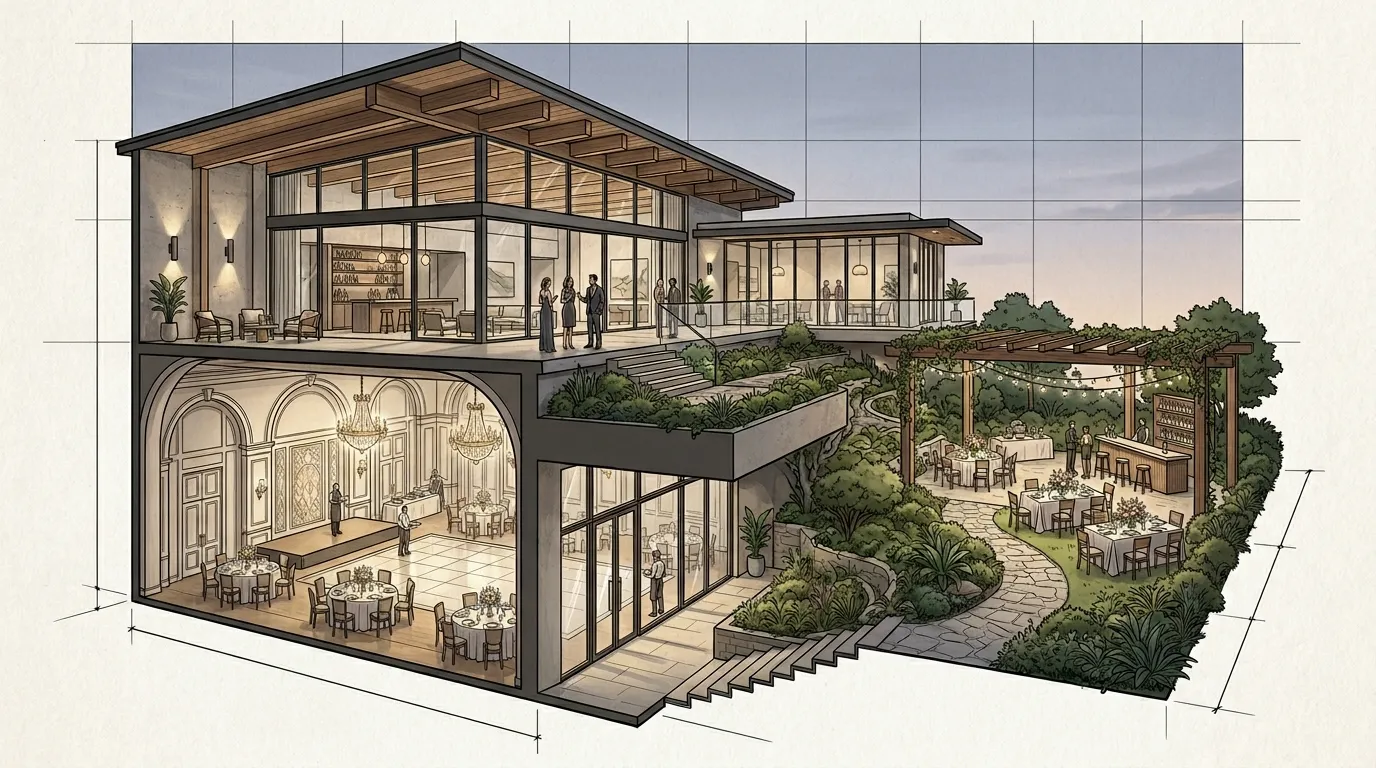
Choosing the right venue is one of the most important decisions in event planning. The venue sets the tone, influences the experience, and directly impacts how smoothly everything runs. Whether you’re planning a wedding, corporate event, birthday celebration, or private gathering, the right space can elevate your event while the wrong one can create unnecessary challenges.
This guide will help you understand how to choose the perfect venue for any occasion with clarity, confidence, and practical strategy.
Understand the Purpose of Your Event
Before you start searching for venues, define the purpose of your event. Every type of event has different requirements.
Ask yourself:
- Is this a formal or casual event?
- How interactive or structured will it be?
- What kind of atmosphere do you want to create?
A corporate seminar will require a different setup than a wedding or party. Knowing your purpose helps you shortlist venues that match your vision.
Estimate Your Guest Count
Your guest list plays a major role in venue selection. A space that is too small will feel crowded, while a space that is too large can feel empty and disconnected.
Have an estimated number of attendees before finalizing a venue. This ensures:
- Comfortable seating
- Smooth movement
- Better event flow
Always choose a venue that can accommodate your guests without compromising comfort.
Consider Location and Accessibility
The location of your venue should be convenient for your guests. Accessibility can significantly impact attendance and overall experience.
Look for:
- Easy-to-find location
- Good road connectivity
- Nearby parking or transport options
If your guests have to struggle to reach the venue, it can affect their experience even before the event begins.
Evaluate Venue Facilities
Every venue offers different facilities, and it’s important to understand what is included.
Check for:
- Seating arrangements
- Lighting and sound setup
- Restrooms and basic amenities
- Power backup and technical support
Choosing a venue with the right facilities reduces the need for additional arrangements.
Match the Venue with Your Theme
Your venue should align with the overall theme and style of your event. A mismatch between venue and theme can reduce the visual and emotional impact.
For example:
- Elegant events work well in banquet halls or luxury spaces
- Casual gatherings suit open spaces or relaxed environments
- Creative events may benefit from unique or unconventional venues
A well-matched venue enhances the overall experience.
Check Availability Early
Popular venues are often booked well in advance. Waiting too long can limit your options.
Once you finalize your event date, start checking venue availability immediately. Early booking gives you:
- More choices
- Better pricing flexibility
- Less stress
Understand the Cost Structure
Venue pricing can vary significantly depending on location, size, and facilities. It’s important to understand exactly what you are paying for.
Ask about:
- Rental cost
- Included services
- Additional charges
Make sure everything is clearly defined to avoid unexpected expenses later.
Visit the Venue in Person
Photos can be helpful, but they don’t always reflect reality. Visiting the venue gives you a better understanding of the space.
During your visit, observe:
- Layout and spacing
- Cleanliness and maintenance
- Lighting conditions
Seeing the venue in person helps you make a more informed decision.
Assess Flexibility and Rules
Every venue has its own rules and restrictions. Some may limit decoration, timing, or external arrangements.
Clarify:
- Setup and teardown time
- Decoration permissions
- Noise or time restrictions
Flexible venues allow you to customize your event more freely.
Consider Guest Comfort
Guest comfort should always be a priority. A good venue ensures that attendees feel relaxed and enjoy the experience.
Focus on:
- Proper ventilation or air conditioning
- Comfortable seating
- Clean and accessible facilities
A comfortable environment enhances the overall impression of your event.
Plan for Logistics and Flow
Think about how people will move within the venue. Poor layout can lead to congestion and confusion.
Ensure:
- Clear entry and exit points
- Smooth flow between areas
- Proper placement of key sections like stage or seating
Good layout planning improves the overall experience.
Check Vendor Compatibility
Some venues have restrictions on external vendors. It’s important to know whether you can bring your own vendors or must use in-house options.
Choose a venue that aligns with your vendor preferences and planning needs.
Read Reviews and Feedback
Reviews can give you insights into real experiences. Look for feedback about:
- Service quality
- Staff behavior
- Overall experience
Consistent positive feedback is a good sign of reliability.
Have a Backup Plan
If your event is outdoors, consider weather conditions. Always have a backup plan in case of unexpected situations.
Preparedness ensures that your event continues smoothly regardless of challenges.
Final Thoughts
Choosing the perfect venue is about more than just appearance—it’s about functionality, comfort, and alignment with your event goals.
By considering factors like location, capacity, facilities, and overall experience, you can select a venue that supports your vision and enhances your event.
A well-chosen venue doesn’t just host your event—it becomes a key part of the experience itself.