
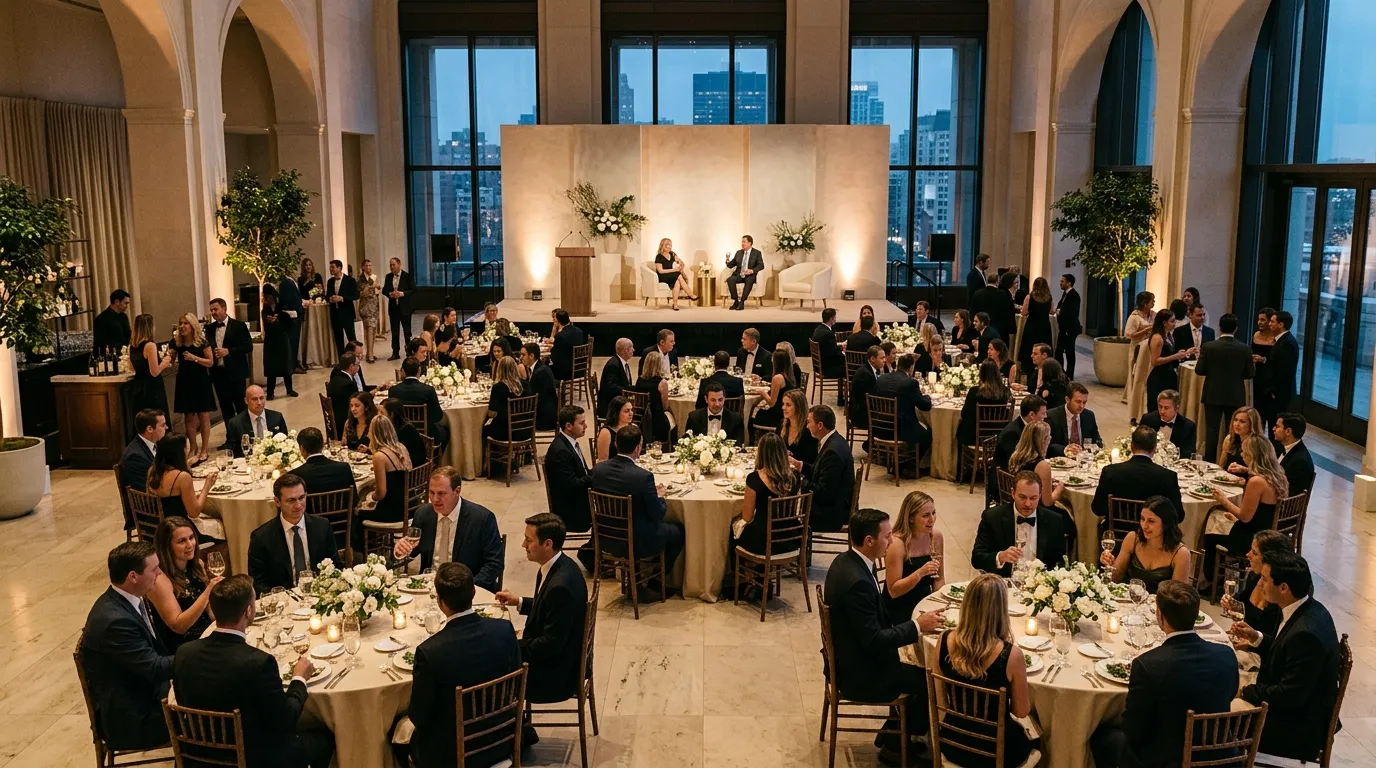
Creating a memorable event is not about adding more elements—it’s about designing an experience that people genuinely enjoy and remember. Whether it’s a corporate gathering, wedding, private celebration, or community event, the difference between an average event and a remarkable one lies in thoughtful planning, attention to detail, and a clear vision.
This guide walks you through a complete, practical approach to planning events that leave a lasting impression—without unnecessary stress or confusion.
Define the Purpose and Experience
Every memorable event starts with a clear intention. Before making any decisions, define what you want your event to achieve.
Ask yourself:
- What is the goal of this event?
- Who are the attendees?
- What kind of experience should they have?
Are you aiming for a formal, elegant atmosphere or something relaxed and interactive? A clear direction helps shape every element—from venue to flow to overall vibe.
Build a Structured Plan
Once your vision is clear, turn it into a structured plan. This includes creating a checklist of tasks and setting realistic timelines.
Key planning elements include:
- Venue selection
- Budget allocation
- Vendor coordination
- Guest management
- Event flow and schedule
Breaking everything into smaller steps makes the process manageable and reduces last-minute pressure.
Set a Practical Budget
A well-defined budget ensures you stay in control while planning. Without it, costs can quickly get out of hand.
Divide your budget into categories such as:
- Venue
- Setup and design
- Food and beverages
- Entertainment
- Photography or media
Always keep a buffer for unexpected expenses. Smart budgeting allows you to prioritize what truly matters.
Choose the Right Venue
The venue sets the foundation for your entire event. It influences the mood, capacity, and logistics.
When selecting a venue, consider:
- Location and accessibility
- Space and comfort
- Facilities and support
- Compatibility with your event type
Visit the venue beforehand to visualize how everything will come together.
Focus on the Guest Journey
A memorable event is built around the guest experience. Think beyond logistics and consider how attendees will feel at each stage.
From arrival to exit, ensure:
- Clear directions and entry process
- Comfortable seating and layout
- Smooth transitions between activities
When guests feel comfortable and engaged, the event becomes more impactful.
Select the Right People to Work With
The people involved in your event play a major role in its success. Choose professionals who are reliable, experienced, and easy to communicate with.
Evaluate based on:
- Past work and consistency
- Professionalism in communication
- Ability to understand your vision
Working with the right people reduces stress and ensures smoother execution.
Keep the Design Thoughtful, Not Overwhelming
It’s easy to overdo decorations and themes, but memorable events often stand out because of simplicity and clarity.
Focus on:
- A cohesive color palette
- Clean and purposeful design elements
- Subtle details that enhance the atmosphere
A well-balanced design creates a polished and professional look.
Plan the Flow of the Event
A strong event flow keeps everything organized and engaging. Without a clear structure, events can feel disjointed.
Create a timeline that includes:
- Welcome or opening segment
- Main activities or highlights
- Breaks or transitions
- Closing segment
Ensure smooth transitions between each part so attendees stay engaged throughout.
Prioritize Communication
Clear communication is essential at every stage. Miscommunication can lead to delays and confusion.
Ensure that:
- Everyone involved understands their role
- Timelines are clearly shared
- Important updates are communicated in advance
Good communication keeps everything aligned and avoids last-minute surprises.
Prepare for Unexpected Situations
Even the best plans can face unexpected challenges. Being prepared helps you stay calm and in control.
Have backup plans for:
- Weather changes
- Technical issues
- Delays or cancellations
Flexibility is key to handling unexpected situations effectively.
Use Simple Tools to Stay Organized
Staying organized is crucial when managing multiple tasks. Use simple tools like checklists, calendars, or planning sheets to keep everything on track.
Keep all important details in one place so you can access them easily when needed.
Create Meaningful Moments
Memorable events are defined by moments that stand out. These don’t have to be extravagant—they just need to feel intentional.
Consider:
- Personalized touches
- Unique experiences for attendees
- Thoughtful interactions
These elements create emotional connections that people remember long after the event ends.
Review Before the Event Day
Before the event begins, take time to review everything. Confirm arrangements, double-check schedules, and ensure all details are aligned.
A final check helps you identify and fix any gaps in advance.
Stay Present During the Event
Once the event starts, trust your preparation. Avoid overthinking every detail and focus on managing the flow.
Being present allows you to respond quickly to any situation and ensures everything runs smoothly.
Reflect After the Event
After the event, take time to evaluate what worked well and what could be improved.
Gather feedback from attendees and participants. This helps you refine your approach for future events.
Final Thoughts
Planning memorable events is not about complexity—it’s about clarity, organization, and thoughtful execution. When you focus on the experience, work with the right people, and stay organized, you create events that truly stand out.
With the right approach, every event becomes an opportunity to deliver something meaningful, enjoyable, and unforgettable.