
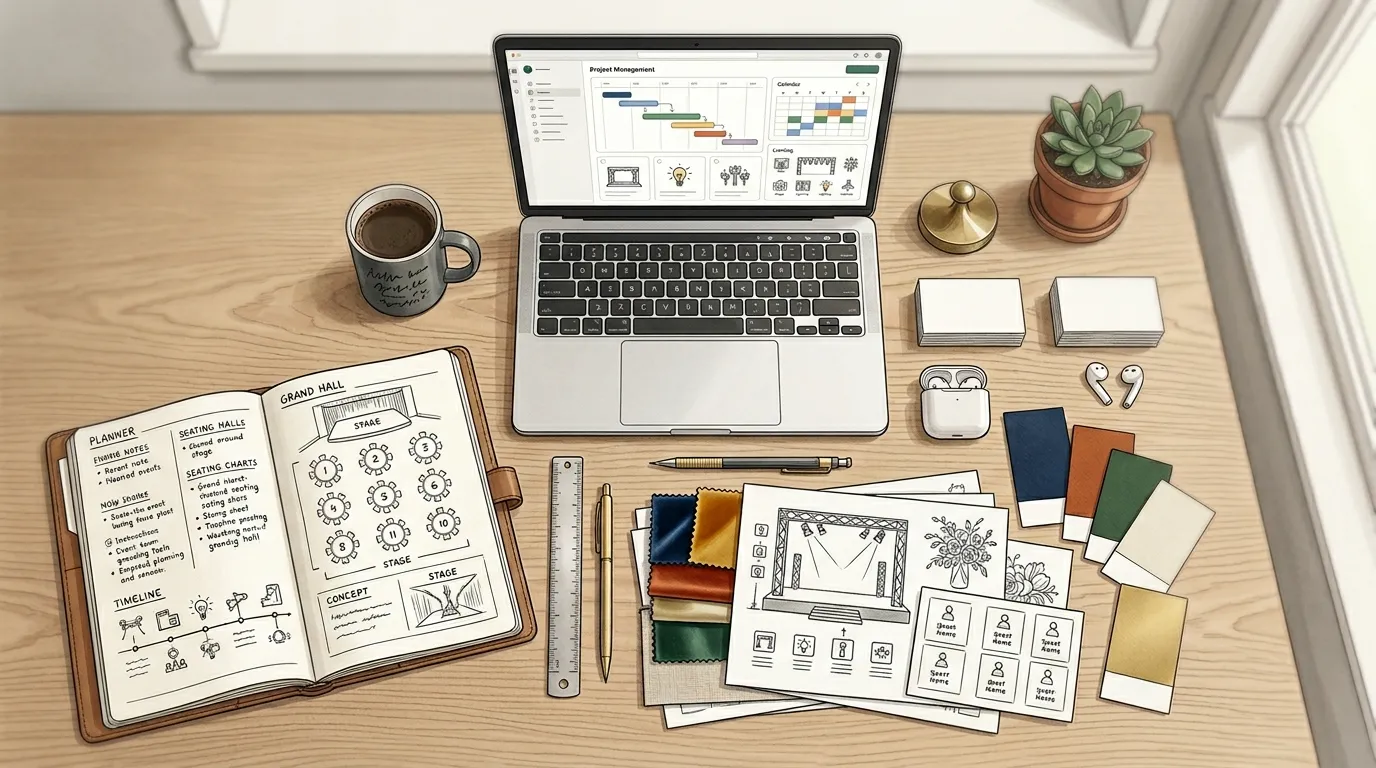
Planning an event can feel overwhelming, especially when you’re juggling multiple tasks, deadlines, and expectations. Whether it’s a corporate gathering, wedding, birthday party, or community event, the pressure to make everything perfect can quickly turn excitement into stress. The good news is that with the right approach, planning a successful event doesn’t have to be complicated.
This guide will walk you through a clear, structured process to help you stay organized, reduce stress, and create a memorable event from start to finish.
Start with a Clear Vision
Every successful event begins with a strong foundation. Before diving into bookings and logistics, take time to define your event’s purpose and goals. Ask yourself:
- What is the main objective of this event?
- Who is the target audience?
- What kind of experience do you want to create?
Having clarity at the beginning helps you make better decisions throughout the planning process. It also prevents unnecessary changes later, which are often a major source of stress.
Set a Realistic Budget
Budgeting is one of the most important steps in event planning. Without a clear budget, it’s easy to overspend or lose track of expenses.
Break your budget into categories such as:
- Venue
- Decorations
- Catering
- Entertainment
- Photography or videography
Always keep a buffer for unexpected costs. A well-planned budget not only keeps finances under control but also gives you peace of mind while making decisions.
Create a Detailed Timeline
A timeline acts as your roadmap. It helps you stay on track and ensures that nothing is left until the last minute.
Start by listing all tasks and assigning deadlines to each one. For example:
- Booking the venue
- Finalizing vendors
- Sending invitations
- Confirming guest attendance
Working with a timeline reduces last-minute panic and allows you to manage your workload more efficiently.
Choose the Right Venue
The venue sets the tone for your entire event. When selecting a venue, consider:
- Location and accessibility
- Capacity
- Facilities and amenities
- Parking and transportation
Make sure the venue aligns with your event type and audience expectations. Visiting the venue in advance can help you avoid surprises on the event day.
Find Reliable Vendors
One of the biggest stress factors in event planning is dealing with unreliable vendors. Take time to research and choose professionals who have good reviews and proven experience.
When selecting vendors, look for:
- Clear communication
- Transparent pricing
- Strong portfolio or past work
It’s always a good idea to compare multiple options before making a decision. Reliable vendors play a crucial role in ensuring everything runs smoothly.
Keep Communication Clear and Consistent
Miscommunication can lead to confusion, delays, and unnecessary stress. Maintain clear communication with everyone involved, including vendors, team members, and guests.
Use simple tools like checklists, shared documents, or messaging platforms to stay organized. Confirm important details in advance to avoid last-minute issues.
Simplify the Guest Experience
A successful event is not just about planning but also about how guests experience it. Make things easy and convenient for attendees by:
- Providing clear event details
- Sharing location and timing information
- Offering simple registration or booking processes
When guests know what to expect, the event feels more organized and enjoyable.
Focus on What Truly Matters
Perfection is often the biggest source of stress. Instead of trying to control every small detail, focus on the key elements that truly impact the experience.
Ask yourself:
- What will guests remember the most?
- What aspects are essential for success?
By prioritizing what matters, you can avoid unnecessary pressure and stay focused on delivering a great experience.
Prepare for Unexpected Situations
No matter how well you plan, unexpected challenges can arise. The key is to stay flexible and prepared.
Have backup plans for:
- Weather changes (for outdoor events)
- Vendor delays
- Technical issues
Being prepared for uncertainties helps you stay calm and handle situations with confidence.
Delegate Tasks Effectively
Trying to do everything on your own can quickly lead to burnout. Delegate tasks to trusted team members or professionals.
Assign responsibilities clearly so everyone knows their role. Delegation not only reduces your workload but also ensures that tasks are handled more efficiently.
Stay Organized with Checklists
Checklists are simple but powerful tools. They help you keep track of tasks and ensure nothing is missed.
Create separate checklists for:
- Pre-event planning
- Event day tasks
- Post-event follow-ups
Review your checklist regularly to stay on top of everything.
Manage Your Time Wisely
Time management plays a crucial role in stress-free planning. Avoid procrastination and tackle tasks step by step.
Break larger tasks into smaller, manageable steps. This makes the process less overwhelming and helps you maintain steady progress.
Take Care of Yourself
It’s easy to get caught up in planning and forget about your own well-being. However, staying calm and focused is essential for success.
Make sure to:
- Take breaks when needed
- Get enough rest
- Avoid overloading yourself
A relaxed mindset allows you to make better decisions and enjoy the process.
Review Everything Before the Event
A final review can help you catch any last-minute issues. Go through all details, confirm bookings, and double-check arrangements.
This step ensures that everything is aligned and ready for the event day.
Enjoy the Event
Once everything is in place, trust your planning and enjoy the event. Overthinking during the event can take away from the experience.
Remember, the goal is to create a memorable experience, not a perfect one.
Final Thoughts
Planning a successful event without stress is all about preparation, organization, and mindset. By setting clear goals, choosing the right people, and staying flexible, you can turn event planning into an enjoyable and rewarding experience.
With the right approach, you don’t just plan an event — you create an experience that people remember for a long time.